Logo

6 - 8 SEPTEMBER 2026

RIYADH FRONT

Lighting, Culture and the Stories that Shape Space

19 Jan. 2026

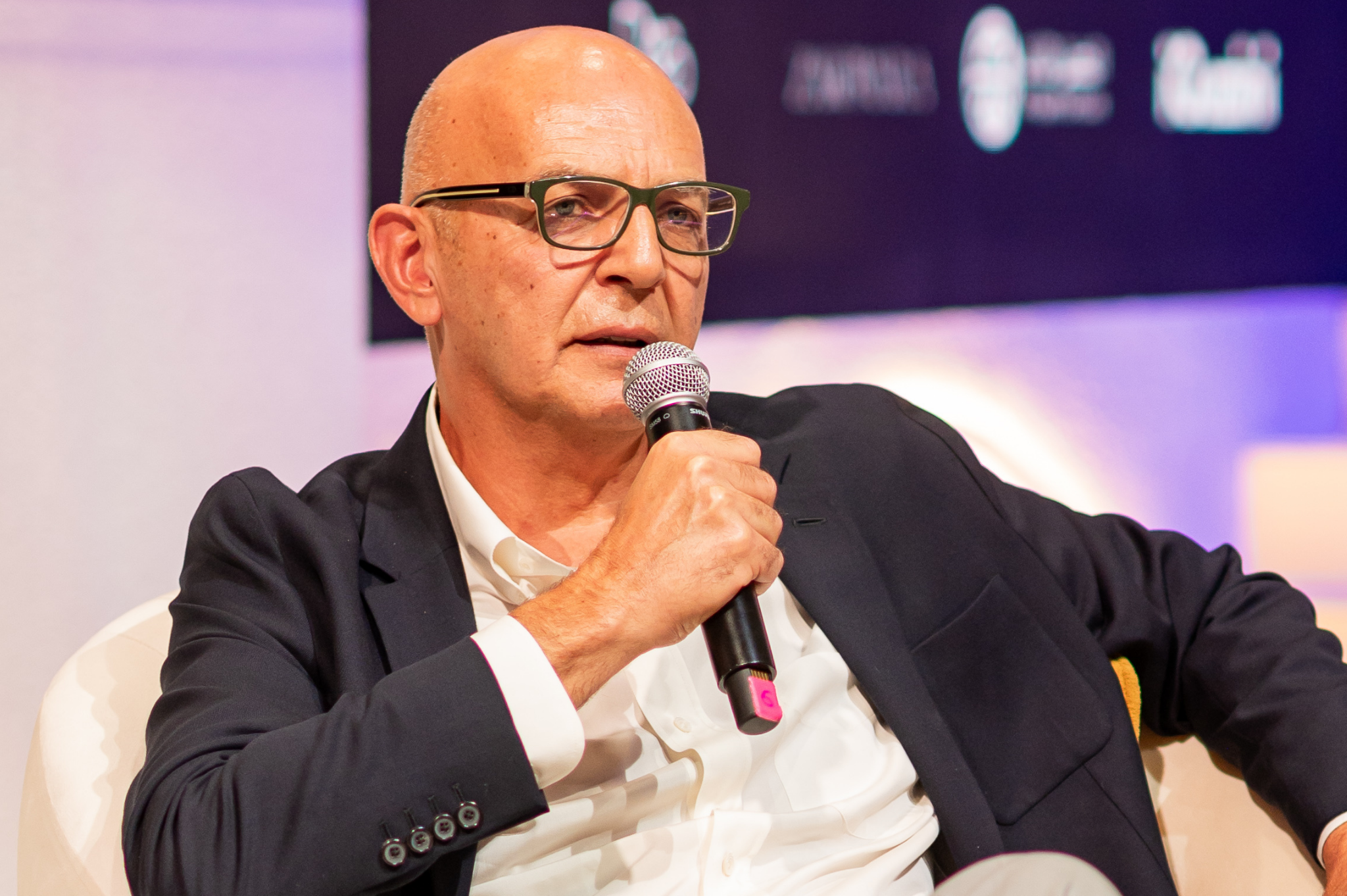
Design tools are evolving at breakneck speed, but as Paolo Testolini, Global Director of Masterplanning at ERA-co, put it at the lighting sessions at INDEX Design Talks this year, “the way we see the world is through stories.” Storytelling and lighting design storytelling in particular, is how interiors keep their warmth. Good design does more than look right; it feels right. It embeds culture, memory and habit into a sequence of moments that people can live in, not just admire.
pattern-img
Image
Why Storytelling Matters in Design

From the Lighting Narratives session to the broader conversation on spatial storytelling, speakers argued that narrative is the emotional engine of interiors. Zeki Kadirbeyoglu, Principal at ZKLD LIGHT DESIGN STUDIO, summed it up plainly: “Ordinary people don’t say this place has a very nice lighting — they say we feel nice, we feel good.” Without a story, design risks slipping into decoration. With a story, every material, junction and light source becomes purposeful, shaping behaviour, memory and comfort. That is why students and young design talent need to learn and experience storytelling in design, so that they can contribute to creating stories in Saudi interior architecture through utilizing narrative-driven interiors.

How Storytelling Shows Up in Space-Making
Start with the Why: A one-line story that explains who this place is for and how they should feel should come before form. That single sentence guides circulation, thresholds and the emotional arc of a visit.
Culture as Content: For projects involving exterior and interior design in Saudi Arabia, narrative must be drawn from local habits, climate and heritage. Think of courtyard houses that mediate sun and privacy, or Majlis arrangements that prioritize communal sitting and hospitality. Successful recent projects in the Kingdom, such as Bab Samhan, translate shading strategies, textile patterns and material palettes into contemporary interiors that read as authentically Saudi rather than imported imitations. When designers weave local craft, highlighting traditions and social rituals into the brief, spaces resonate on a deeper level.
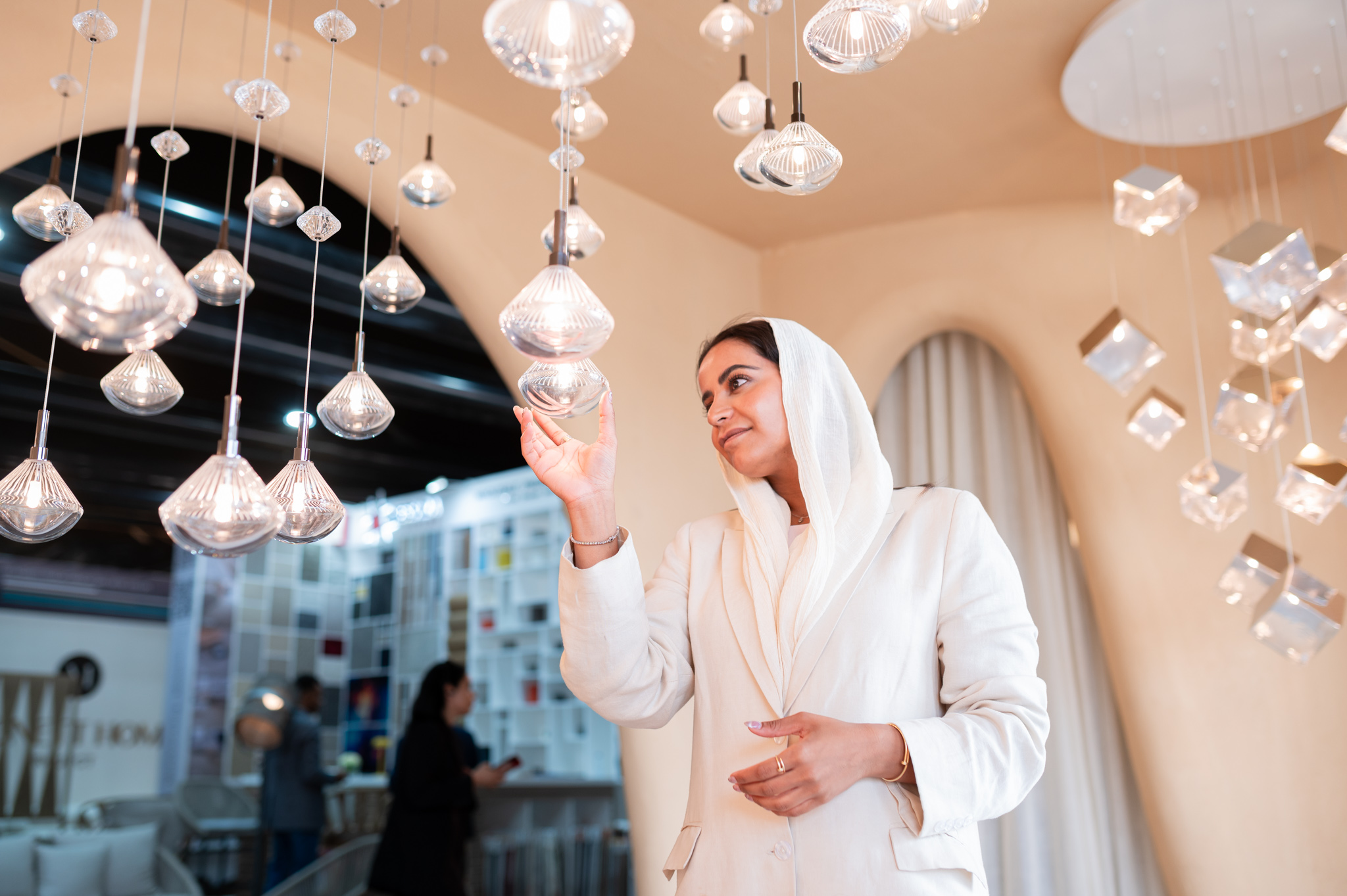
Lighting as Emotional Language: Light works a bit like punctuation: layering, contrast and sequence create atmosphere. Dawn-like warmth in arrival spaces, cool task light where focus is required and carefully timed contrasts for evening hospitality can create memory. Narrative lighting uses rhythm and surprise to move people through a space emotionally and makes for the unique flavor of Saudi lighting design.
Balance Art and Numbers: Storytelling must sit alongside technical rigour: sustainability, luminance standards, acoustics and maintenance. The best teams are able to combine evocative concept sketches with daylight modelling, energy calculations and material longevity.
patternn-img
Image
How Designers Can Incorporate Storytelling
  • Begin every brief with a one-line story that captures the intended experience.
  • Map emotional highs and lows alongside functional needs when planning spatial sequences.
  • Collaborate early across disciplines: lighting, acoustics, materials and branding, so the narrative layers align.
  • Use AI in design for fast iteration (mood boards, quick lighting studies) but keep authorship human: tools amplify a story, they don’t invent it.

Lighting is more than illumination; it is culture, memory and belonging. Industry leaders at INDEX Saudi Arabia 2025 showed that cultural narrative in design is essential if spaces are to be meaningful and long-term ROI-generating. Watch the full sessions 'The Power of Spatial Storytelling: Human-Centered Design at Scale and Lighting Narratives – Emotional Storytelling Through Light in Interiors for more insights from top global experts.