15 - 17 SEPTEMBER 2026

RIYADH INTERNATIONAL CONVENTION & EXHIBITION CENTER (RICEC)

AI: Accelerator or replacement for human designers?

22 Jun. 2026

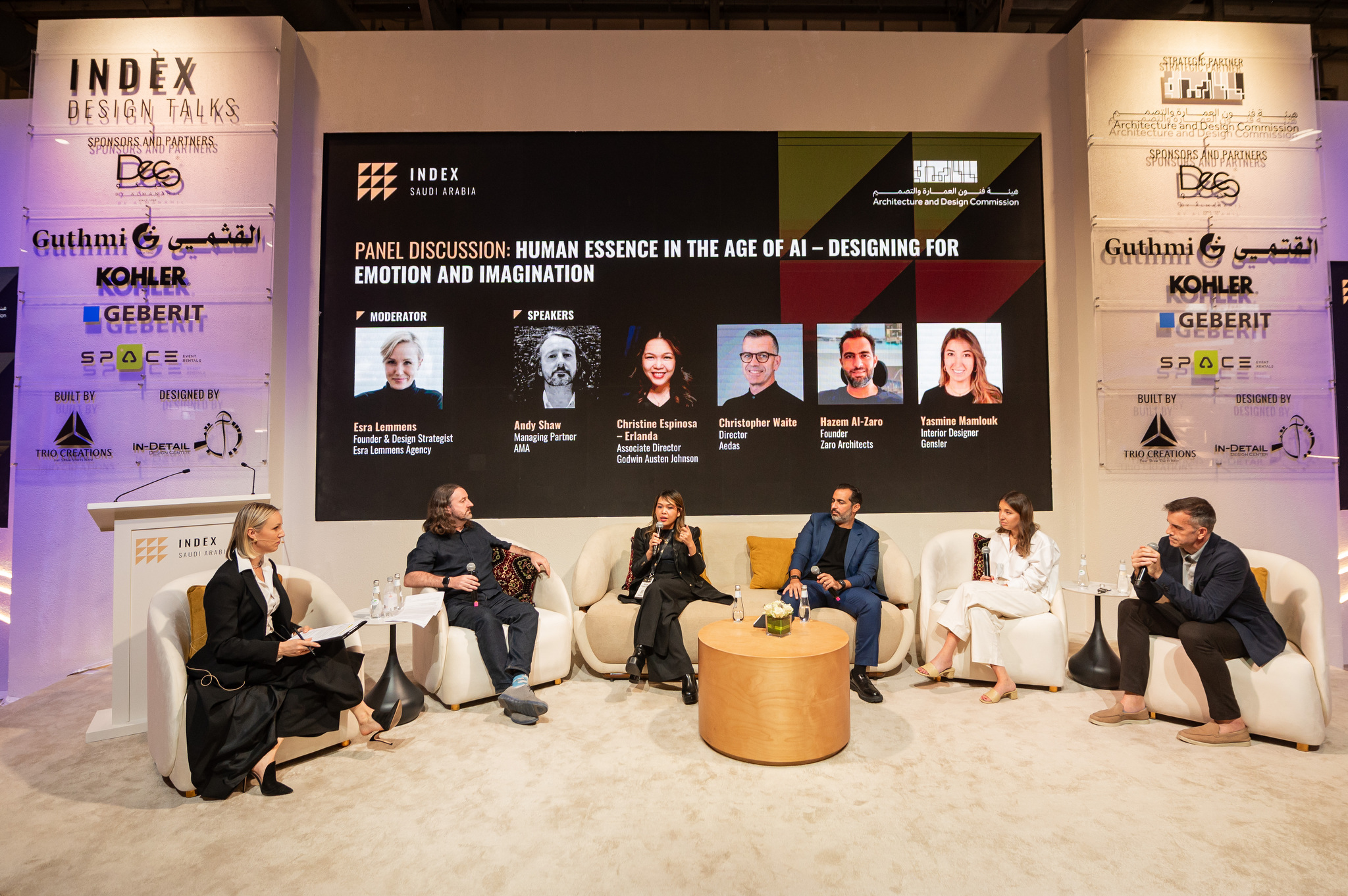
At INDEX Saudi Arabia 2025, leading voices in architecture and interior design made their thoughts clear: AI in design is a powerful accelerator, not a replacement. The conversation framed AI’s immediate value for the future of design in Saudi Arabia: speed, breadth and iteration, while insisting that authorship, empathy and cultural reading remain human responsibilities.

Where AI helps in design & architecture

Practitioners shared concrete workflows where AI in interior design and AI in architecture already add value. Christine Espinosa-Erlanda, Associate Director at Godwin Austen Johnson, summed it up when she noted: “I use it to learn Arabic, to draft emails and even to code for Grasshopper/Rhino… it’s like having a cheeky intern that creates 10,000 options for me.”

On the ground, AI is already reshaping early-stage work. Teams use AI sketch-to-image and diffusion models to test hundreds of visual directions in minutes, compressing pre-concept timelines and making ideation cheaper and broader.

As Gensler Interior Designer Yasmine Mamlouk put it, AI “amplifies creativity” by allowing faster iteration and more confident experimentation. Practically, that means shorter feedback loops, richer option sets for client review and faster documentation, all critical for studios scaling work in Saudi Arabia’s fast-moving market as we build towards Vision 2030.

Image

Where AI falls short

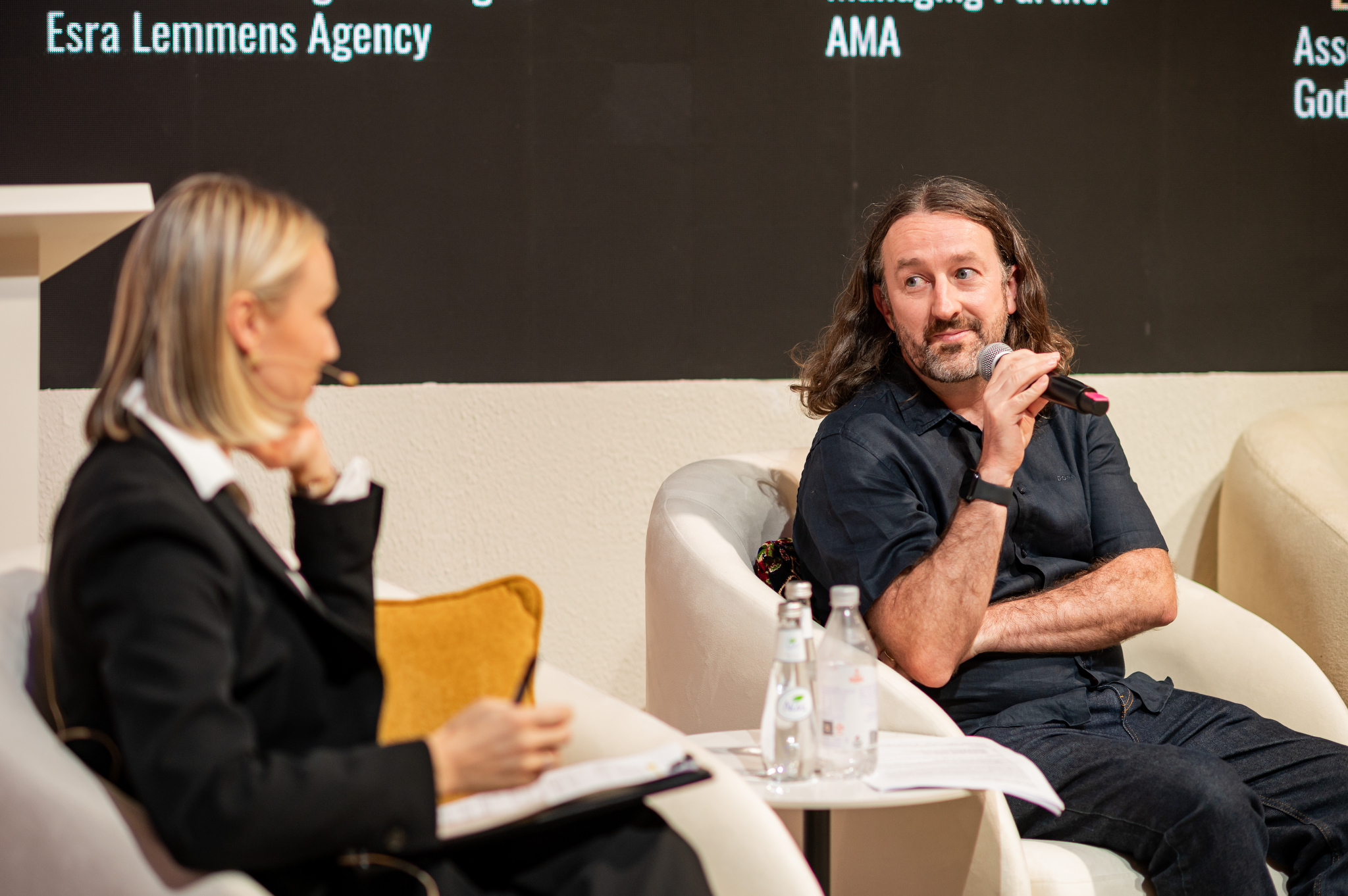
Speed and volume are not the same as cultural insight. Panelists warned that AI struggles with cultural context in design: it cannot read place, history or subtle social cues unless guided by people who can. AMA Managing partner Andy Shaw reminded the audience that AI is “another human-made tool… it’s about managing how we use it,” and flagged a risk many have already felt: the slow erosion of hand-sketching skills if designers stop exercising them, especially among young Saudi design talent.

What experts said about AI in architecture at INDEX Saudi Arabia 2025 is clear: change is inevitable, but it’s not always how we imagine. Think back to the shift from CAD to BIM: many firms initially resisted the investment, the new workflows and the perceived threat to expertise until the efficiency gains (better coordination, less rework, clearer handovers) made the change unavoidable. AI will follow a similar curve: it’s disruptive, but not unprecedented.

Image

Integrating AI without losing craft

All in all, leaders should treat AI in design as a collaborator that multiplies capacity while leaving judgment and authorship with humans. Some of the ways leaders are integrating AI into workflows include:

  • Pilot AI tools for designers to use in pre-concept and visualization, then validate outputs.
  • Keep sketching and storytelling central in education and mentorship to preserve craft.
  • Prompt with local data and language, and embed local teams early to avoid generic results.
  • Require constructability checks before clients treat images as delivery-ready.

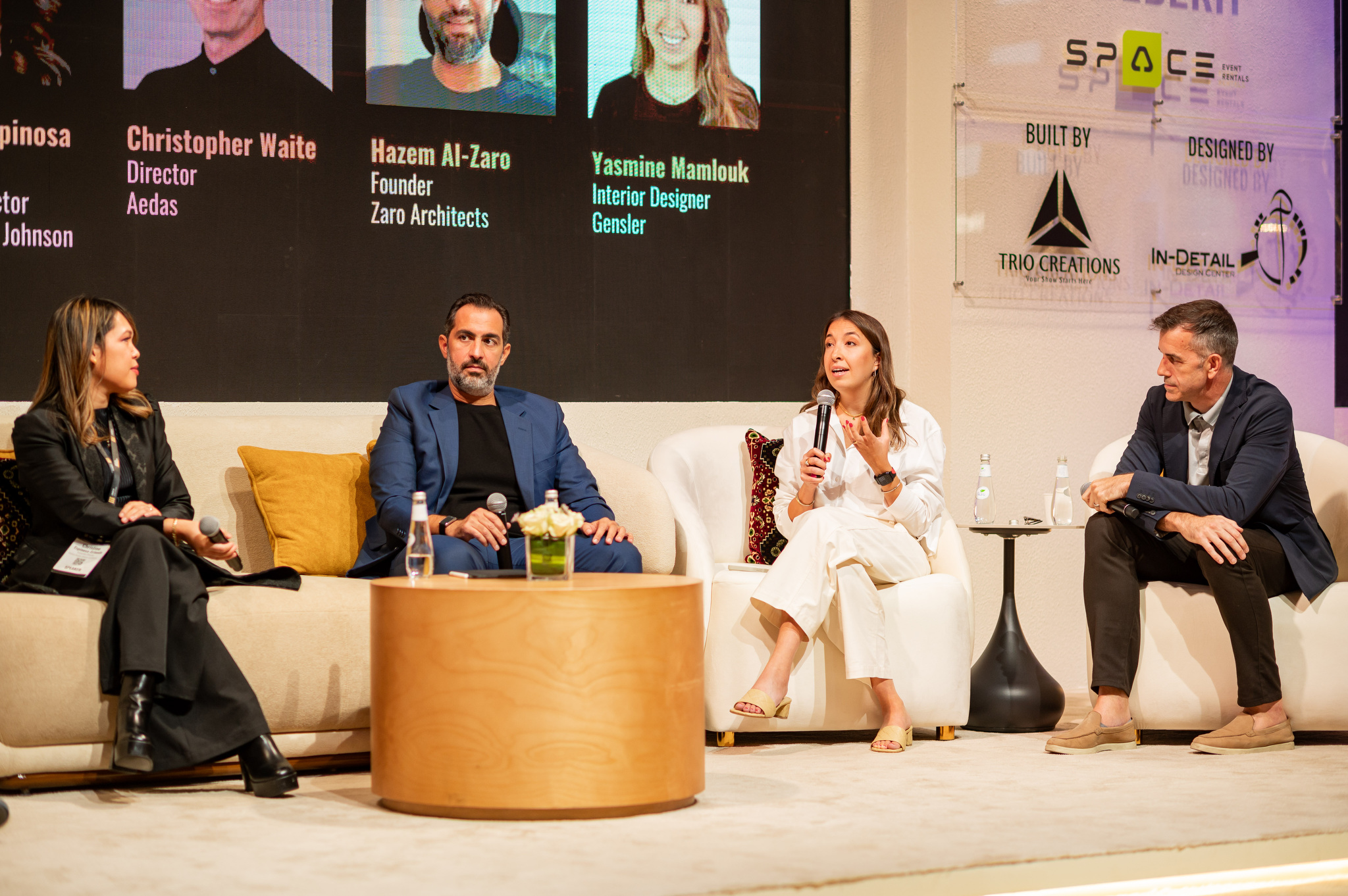
During the session, Yasmine Mamlouk spotlighted the need for both AI and humans to work hand-in-hand: “AI gives scale, precision and speed; humans give the spirit, story and empathy,” a clear statement that AI will likely never replace human designers.

Don’t miss out on many more insights and learnings! Watch the full session here to learn more.

Image

FAQ

Q1: What did experts say about AI at INDEX Saudi Arabia 2025?
A1: They agreed AI accelerates design tasks but cannot replace human creativity and empathy.

Q2: Where does AI add the most value in design?
A2: Pre concept ideation, sketch to image generation and fast testing.

Q3: What challenges did INDEX Design Talks speakers highlight?
A3: Over reliance, lack of empathy, cultural sensitivity and resistance to change.

Q4: How can I stay updated on future INDEX events?
A4: Subscribe to the official newsletter and follow INDEX Saudi Arabia on social media to receive updates about future editions, registration dates and key announcements.